
Richard Shepherd Rockstro

Overview
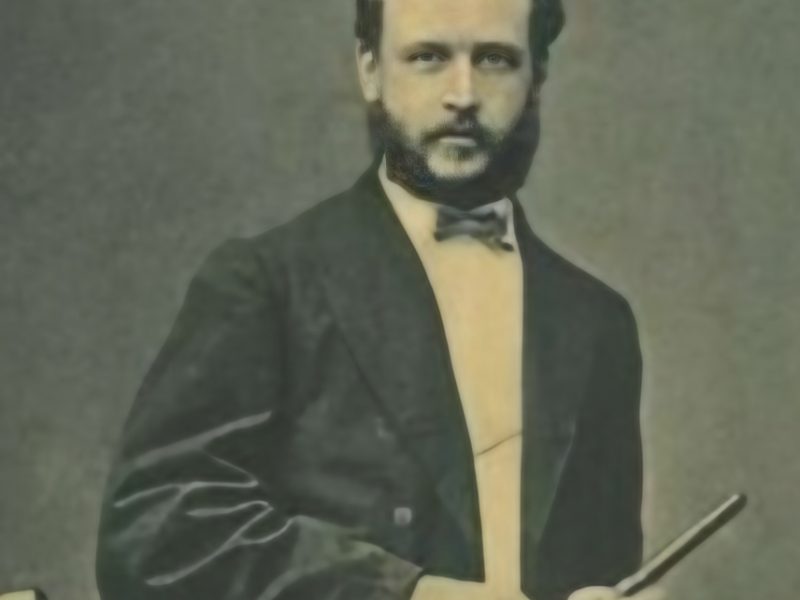
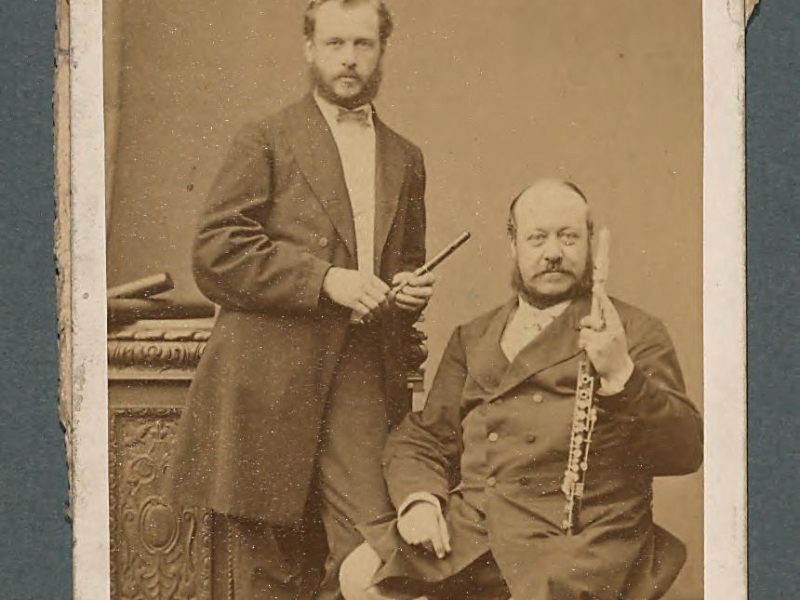
Richard Shepherd Rockstro was a British flutist, teacher, instrument designer, theorist, and author whose work occupies a unique place in flute history. He is best remembered for his monumental book A Treatise on the Construction, the History, and the Practice of the Flute (1890), one of the most comprehensive historical and technical studies of the instrument ever written.
Unlike many nineteenth-century flutists who are remembered primarily as performers, Rockstro’s importance lies in his attempt to explain the flute as a complete subject: its history, acoustics, construction, mechanism, tone production, intonation, technique, and performance practice. His writings remain a valuable reference for flute historians, makers, performers of historical instruments, and researchers interested in nineteenth-century flute playing.
Early Life and Musical Training
Richard Shepherd Rockstro was born in Surrey, England, in 1826. His original family name was Rackstraw, but he later adopted the older family form Rockstro.
He received a strong musical education and studied in Germany at the Leipzig Conservatory, where he came into contact with the musical world associated with Felix Mendelssohn. This training gave him a broader musical foundation than many flute specialists of his time and helped shape his later work as a performer, theorist, and writer.
Rockstro became active as both a flutist and pianist. In 1847 he performed as principal flute at Her Majesty’s Theatre and later served as a flute instructor at the Royal Academy of Music.
Author of the Treatise
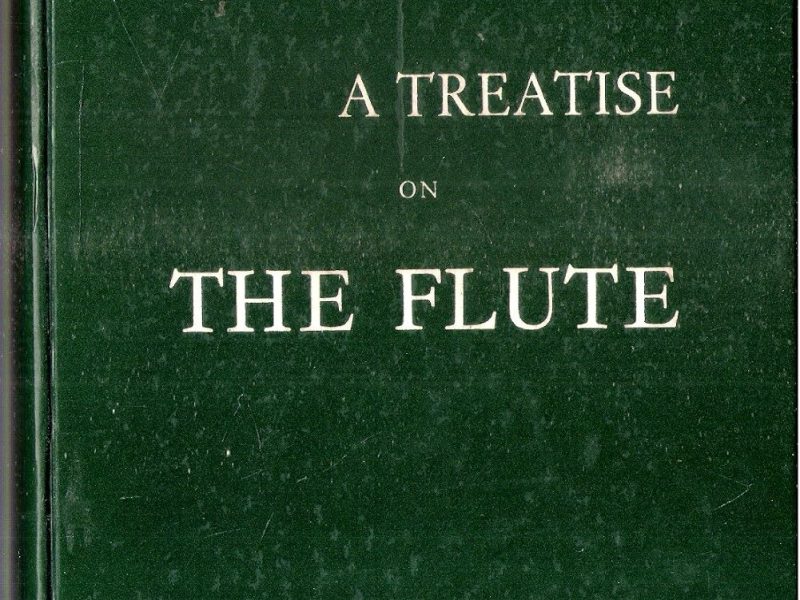
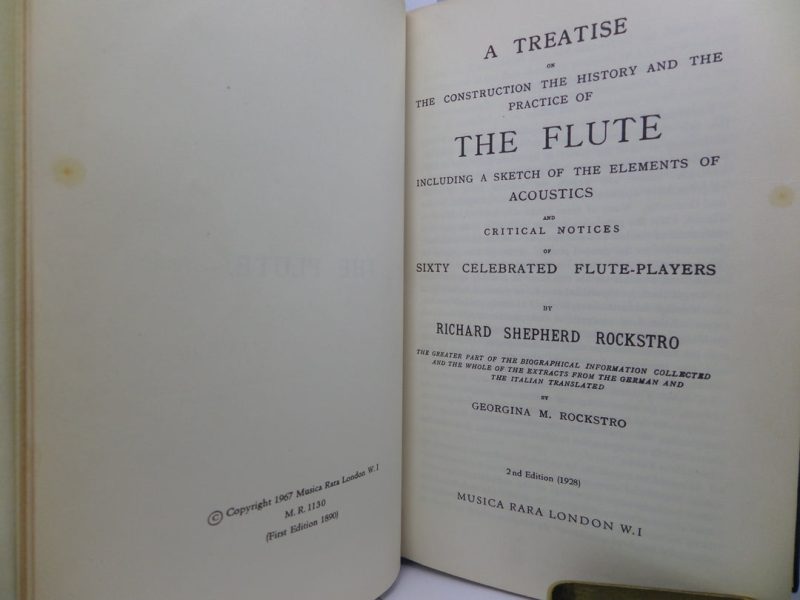
Rockstro’s greatest legacy is his 1890 publication, A Treatise on the Construction, the History, and the Practice of the Flute.
This large and ambitious work covers nearly every aspect of the flute known to nineteenth-century musicians. It includes discussions of:
- flute history
- acoustics
- tone production
- intonation
- embouchure
- breathing
- fingering systems
- instrument construction
- flute materials
- historical flute makers
- celebrated flute players
- the transition from old-system flutes to modern Boehm-system designs
The treatise remains one of the most important English-language sources on flute history and nineteenth-century flute performance practice. Although some of Rockstro’s opinions reflect the strong personal preferences of his era, the book continues to be consulted for its depth, detail, and historical perspective.
Tone Production and Flute Playing
Rockstro wrote extensively about tone production, placing great importance on the relationship between the lips, embouchure hole, air direction, jaw position, and intonation.
He believed that the ideal flute tone should lie between two extremes: neither hard and thin nor hollow and dull. For Rockstro, the true tone of the flute combined:
- volume without harshness
- brilliance without shrillness
- sweetness without weakness
- clarity without excessive breath noise
- flexibility of color and expression
His discussion of tone is especially valuable because it preserves nineteenth-century ideas about sound production at a time when large-holed simple-system flutes, Boehm flutes, and modified systems were all still in active use.
Rockstro also emphasized that intonation was not optional. He considered correct tuning one of the highest responsibilities of the player and believed that tone, embouchure, and pitch were inseparable.
The Rockstro Model Flute
In addition to his work as an author and teacher, Rockstro contributed to flute design.
Although he initially preferred older multi-keyed wooden flutes, he eventually adopted aspects of the Boehm system while continuing to seek improvements that reflected his own acoustical and practical ideas. His collaboration with Rudall, Carte & Co. led to the development of the Rockstro Model flute, introduced in the late nineteenth century.
The Rockstro Model represented one of several English attempts to refine or modify the Boehm flute according to national preferences in tone, fingering, and construction. It reflects the experimental spirit of nineteenth-century British flute making, when makers and performers continued to debate the ideal balance between old-system tone and modern mechanical efficiency.
The Rockstro Grip
Rockstro is also associated with a distinctive method of holding the flute, often called the Rockstro Grip.
This approach involves a carefully balanced position of the instrument, including specific alignment of the headjoint and body, intended to create stability and improve control. Although not universally adopted in classical flute playing, the Rockstro Grip has remained influential among some players of traditional and folk flutes, especially in contexts where wooden simple-system flutes continue to be used.
Historical Importance
Rockstro stands at an important transitional moment in flute history.
He lived through the period when the older English eight-key flute tradition was gradually giving way to Boehm-system and post-Boehm instruments. His writings preserve valuable information about the final stages of the old flute tradition while also documenting the debates surrounding modern flute design.
His work connects several major strands of nineteenth-century flute history:
- the legacy of Charles Nicholson and the large-holed English flute
- the influence of Theobald Boehm
- the role of Rudall, Carte & Co. in British flute making
- the persistence of conical wooden flutes
- the emergence of modern flute acoustics and pedagogy
For this reason, Rockstro is not only a historical flutist, but also one of the most important English theorists of the flute.
Legacy
Richard Shepherd Rockstro’s influence rests primarily on his writing. His treatise remains one of the great historical monuments of flute literature and continues to serve as a resource for performers, makers, collectors, and scholars.
While his views were sometimes opinionated, his detailed observations preserve a world of flute playing that might otherwise have been lost. Through his writing on tone, intonation, construction, and history, Rockstro helped define how later generations understood the flute’s nineteenth-century development.
He belongs among the important pedagogues and founders not because he founded a performing school in the same way as Taffanel or Moyse, but because he left one of the most serious and comprehensive written foundations for the study of flute history and performance practice.
Selected Works
- A Treatise on the Construction, the History, and the Practice of the Flute (1890)
- Rockstro Model Flute — developed in collaboration with Rudall, Carte & Co.
- Writings on tone production, intonation, flute construction, and historical flute performance practice
Contributions
- Author of one of the most important English-language flute treatises
- Major nineteenth-century writer on flute history, acoustics, construction, and performance practice
- Designer of the Rockstro Model flute
- Associated with Rudall, Carte & Co. and the English flute-making tradition
- Preserved valuable information about old-system, eight-key, and Boehm-system flutes
- Developed influential ideas on tone production and flute balance
- Helped document the transition from traditional wooden flutes to modern flute systems
- Remains an important source for flute historians, makers, and historical-performance specialists